Release ownership is easy to treat as an administrative field: put a name next to the date and move on. In practice, ownership is one of the controls that keeps a release coordinated when the plan changes.
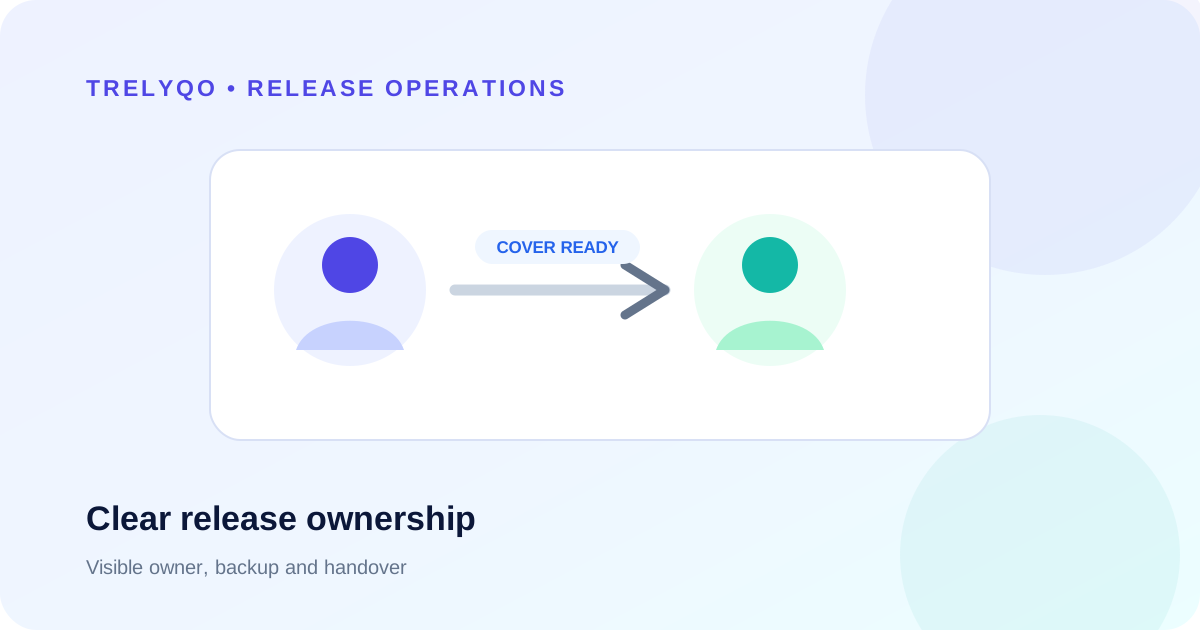
The team needs to know who is responsible for moving the release forward and who can act if that person is unavailable.
Ownership should be visible early
Assigning ownership shortly before release day leaves little time to resolve availability or workload conflicts. It should be part of release planning.
Define cover before it is needed
Cover works better when the team knows the expected backup path before an absence becomes urgent.
Keep ownership changes traceable
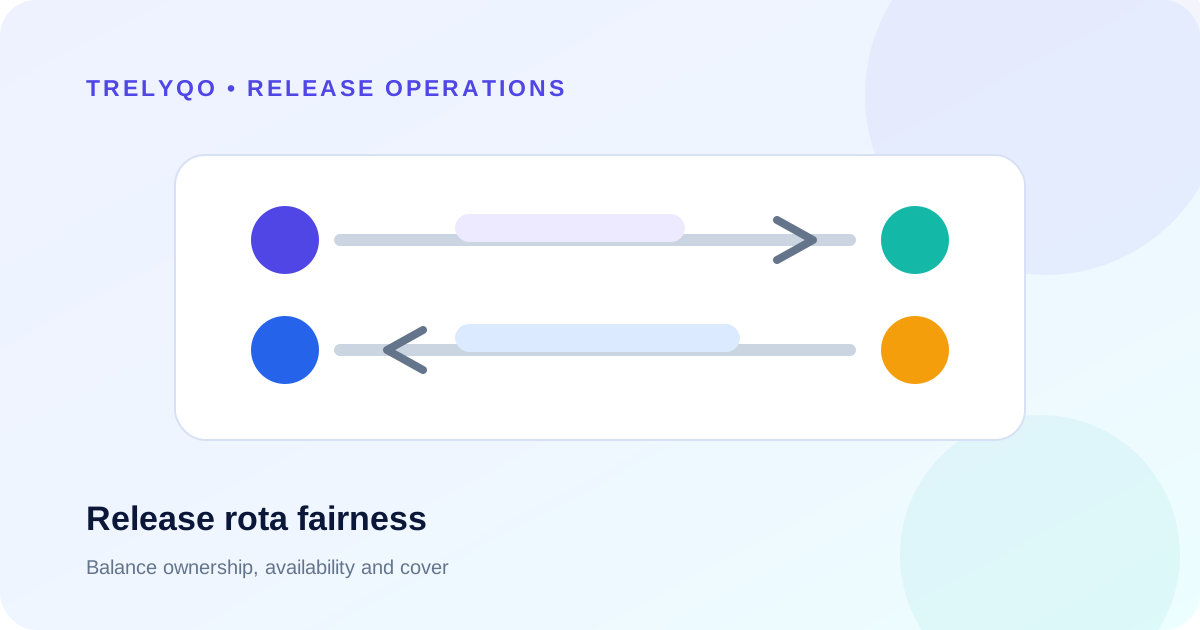
When ownership changes, the release record should preserve who changed it and why. This prevents confusion and improves fairness over time.
Ownership is about accountability, not blame
A named release owner gives the team a coordination point. It does not mean one person carries every task or every risk. Good ownership clarifies who is driving the release while work remains distributed across the team.