Release teams make dozens of small operational decisions: a date moves, cover changes, a blocker is accepted, an approval is granted or an exception is made.
The decision itself may be visible for a few hours in chat, but the reasoning often disappears.
A timestamp is not enough
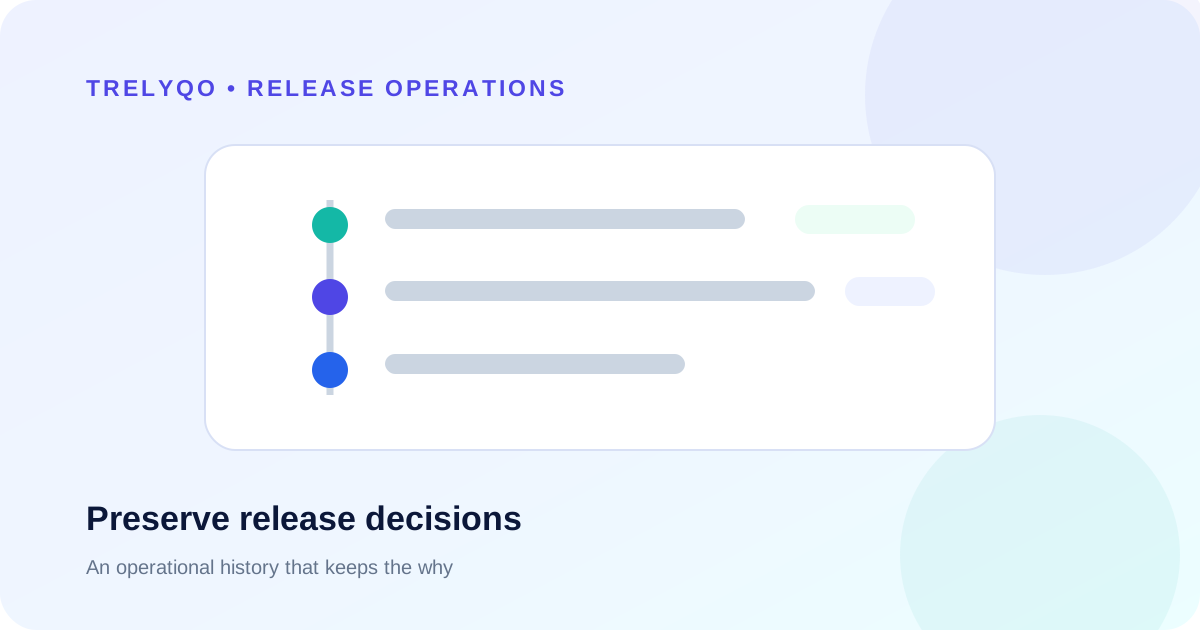
Knowing that a field changed is useful, but governance improves when teams can also see who made the change and why it was necessary.
Capture exceptions where the release lives
If an override or risk acceptance belongs to a specific release, the explanation should remain attached to that release rather than being stored in a separate message or document.
Operational history should support learning
A good audit trail is not only for compliance. It allows teams to review recurring patterns, understand previous decisions and improve future release planning.
Keep governance proportionate
Not every edit needs a long explanation. Reserve stronger controls for meaningful actions such as overrides, deletions, approval changes and high-impact release decisions.