A release date tells the team when something is expected to happen. It does not tell them whether the release is operationally prepared.
Useful release planning connects the date to platform scope, ownership, dependencies, freeze periods and other events that can affect the release.
Plan the context around the date
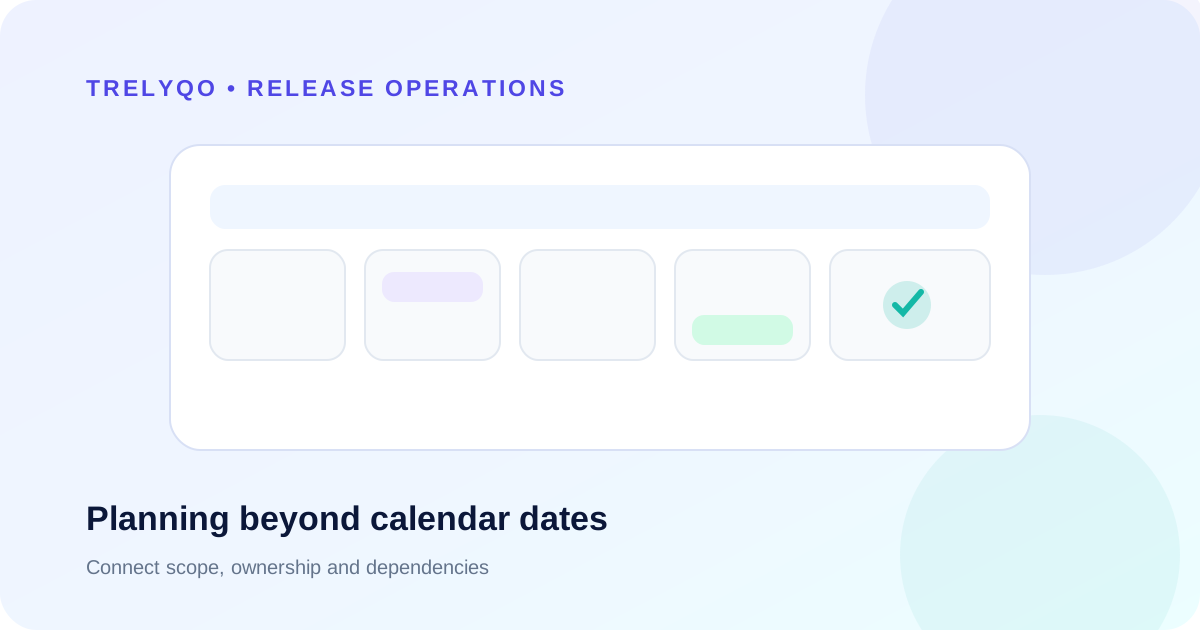
A release calendar becomes more useful when teams can see why a date matters and what else is happening around it.
- Which platforms are included?
- Who owns the release?
- Are there freeze windows or important business events?
- Which dependencies must complete first?
Give teams a forward view
Planning improves when teams can see several upcoming releases rather than only the next one. A forward view makes absence, workload and cross-team conflicts easier to address.
Keep the calendar operational
The calendar should not become a second source of truth. It should reflect the same release records used for readiness, ownership and history.